Insulation and a Heat Pump in Leicester — What to Do, and What to Skip
Last reviewed: 2 October 2026
For most Leicester homes, a few cheap insulation jobs before a heat pump pay off; the expensive ones usually don't need to come first. This guide sorts them by house type and explains when the council might pay.
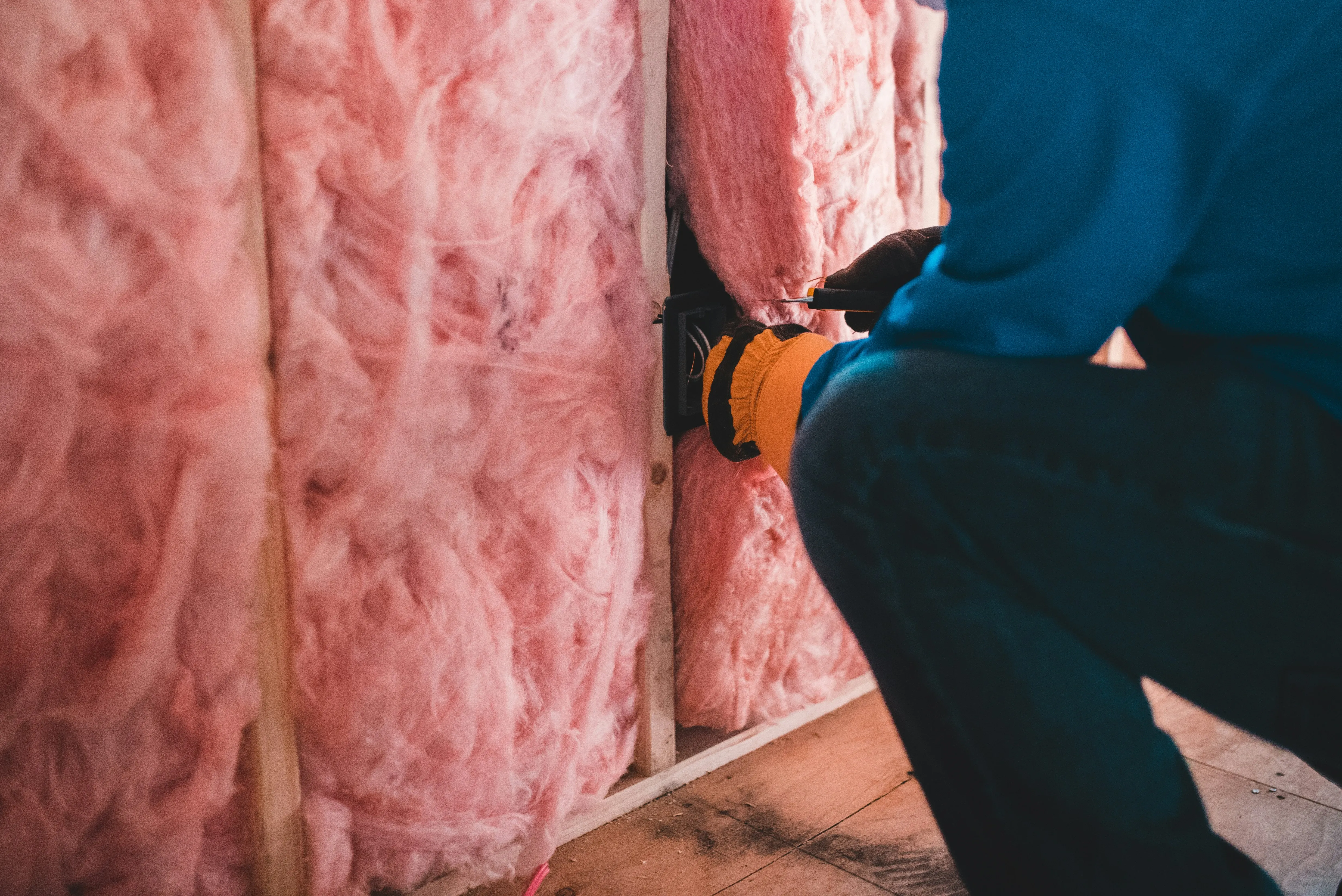
The principle
Insulation and a heat pump work together. Less heat loss means a smaller heat pump, fewer radiators to upgrade and lower bills. But you don’t need to finish every insulation job before switching, and since April 2026 the Boiler Upgrade Scheme no longer asks for an EPC at all.
So the question is which jobs are worth doing first in your type of Leicester home.
If you live in a Victorian terrace
Clarendon Park, Highfields, the West End, Belgrave, Aylestone Road and many more.
Do first:
- Draught-proofing — gaps around windows and doors, between floorboards, and up unused chimneys. Usually under £400, and much of it is DIY.
- Loft insulation — top up to about 270 mm if it’s thinner. A few hundred pounds in a terraced loft.
- Suspended floor insulation — if the front room has bare boards over a void, insulating between the joists makes it warmer underfoot and cuts draughts.
Probably skip for now:
- Solid-wall insulation. Leicester’s Victorian terraces are built of solid red brick, usually about nine inches thick. Insulating them internally costs thousands, takes space from small rooms and disturbs plaster. A heat pump with larger radiators heats these homes well without it.
If you live in an interwar or post-war semi
Knighton, Western Park, Evington, Braunstone, Birstall, Oadby.
Do first:
- Check the cavity walls. Most homes built from the 1930s onwards have a cavity. Many were filled decades ago; some weren’t. If yours are empty, cavity wall insulation costs around £600–£1,500 and is one of the best-value upgrades in any home.
- Loft insulation — again, aim for about 270 mm.
- Draught-proofing — especially around old doors and loft hatches.
Worth considering:
- Replacing old double glazing that has failed seals or gaps, if you were planning to anyway.
Semis like this with filled cavities and a decent loft are often the simplest homes in Leicester to convert.
If you live in a larger Victorian or Edwardian villa
Stoneygate, Knighton, parts of Clarendon Park.
These homes lose more heat through tall rooms, large windows and solid walls. Draught-proofing sashes, insulating the loft and floors, and adding secondary glazing where original windows must stay (many are in conservation areas) all give a good return. Solid-wall insulation is optional and expensive.
Will the council pay?
Possibly, and it’s worth checking before you spend anything.
Leicester City Council has more than £4.5 million from the government’s Warm Homes: Local Grant to fund insulation, solar panels and low-carbon heating in privately owned homes (owner-occupied or rented) where:
- the household income is under £36,000, and
- the home’s EPC rating is D to G.
Eligible households pay nothing. Many older Leicester terraces have EPC ratings in that band, and Leicester’s incomes are lower than average, so a meaningful number of households could qualify.
If you live outside the city boundary — Oadby, Wigston, Birstall — Leicestershire County Council’s scheme is currently closed to new applications because of demand. You can register interest through the government’s Warm Homes: Local Grant service.
ECO4, the energy-supplier scheme that used to fund a lot of insulation, closed to new applications on 31 March 2026. The Boiler Upgrade Scheme doesn’t fund insulation.
Damp and breathability
Old solid brick needs to breathe. If you’re doing any wall repairs, use lime-based plasters and breathable paints rather than cement render or vinyl paints, which can trap moisture. A heat pump’s steady background warmth generally helps keep walls dry.
In what order?
- Check whether you qualify for free council funding.
- Do the cheap jobs: draught-proofing and loft.
- Book a heat pump survey; the heat loss calculation will reflect those improvements.
- Fill cavities or insulate floors if the survey suggests it.
- Install the heat pump.
Related: Victorian terraces and heat pumps and what a heat loss survey involves.
See what a heat pump would look like in your Leicester home
The mechanism is the same in every UK home; the design is specific to yours. Our team carries out a free in-home survey including a full room-by-room heat-loss calculation, identifies the system size and configuration that fits your property, and provides a written quote with the £7,500 BUS grant already deducted.
You'll see the actual figure you'd pay — not an estimate — and the projected efficiency for your specific install.